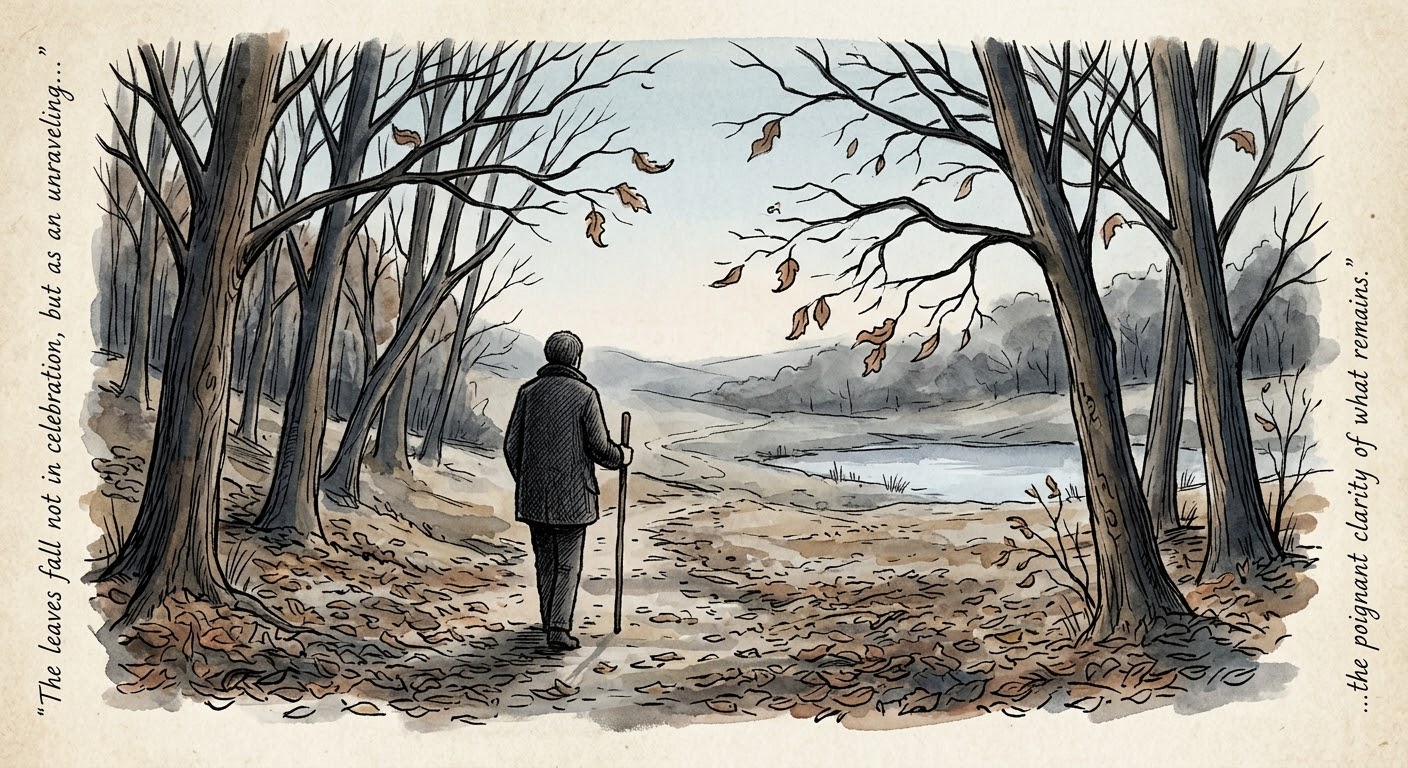
The trees are in their autumn beauty,
The woodland paths are dry,
Under the October twilight the water
Mirrors a still sky;
Upon the brimming water among the stones
Are nine-and-fifty swans.
The nineteenth autumn has come upon me
Since I first made my count;
I saw, before I had well finished,
All suddenly mount
And scatter wheeling in great broken rings
Upon their clamorous wings.
I have looked upon those brilliant creatures,
And now my heart is sore.
All’s changed since I, hearing at twilight,
The first time on this shore,
The bell-beat of their wings above my head,
Trod with a lighter tread.
Unwearied still, lover by lover,
They paddle in the cold
Companionable streams or climb the air;
Their hearts have not grown old;
Passion or conquest, wander where they will,
Attend upon them still.
But now they drift on the still water,
Mysterious, beautiful;
Among what rushes will they build,
By what lake’s edge or pool
Delight men’s eyes when I awake some day
To find they have flown away?
By William Butler Yeats
Summer and early autumn hold us suspended at a delicate threshold, a brief moment when the world is fully alive yet tinged with the quiet promise of change. In this lush interlude, we envelop ourselves in the richness of golden light, the softness of amber tones, and the warmth of days that still echo the vitality of summer. There is a comforting fullness in this season—a saturation that allows us to linger in its embrace, savoring its ripe beauty without yet turning our thoughts to what is coming. What we do not yet anticipate, or perhaps prefer to momentarily ignore, is the gradual shift that lies ahead. As the days shorten and the crispness in the air slowly sharpens, this vibrant, golden tapestry begins to fray. October brings a starker tone, a deepening of autumn that strips away the lushness, trading it for bare branches and a sharper clarity. But for now, in the softness of this transitional season, we linger, as if hoping to hold its mellow richness a little longer before we face the starkness of the season’s inevitable progression.
In The Wild Swans at Coole, Yeats is no longer dwelling within the comforting illusion of time’s suspension, as one might observe in the works of Keats or Virginia Woolf, who often experienced early autumn as a season of ripening abundance, marked with a sense of permanence and saturation. By October, the illusion begins to fade, and the season reveals a starker reality: the decline of the year is now undeniable, and time asserts its presence with a piercing clarity. For Yeats, walking by the water’s edge and observing the swans, this austere and somber October reflects a harsh truth—the steady passage of time, an awareness that strips away earlier illusions of timelessness and permanence.
As Yeats watches the swans take flight, their burst of vitality and energy contrasts painfully with his own sense of aging. He last counted these birds nineteen years before—two decades have passed, and everything in his life has changed. The swans, however, remain untamed, timeless, and enduring, unruffled by the flow of years that have ravaged the poet. Their ceaseless vitality becomes a mirror for Yeats to confront his own mortality and transience. October, with its austere landscape and the fading colors of early autumn, offers none of the lush, verdant richness of September. Instead, it presents a stark clarity—a bareness that matches Yeats’ own introspections. The season no longer offers a comforting stillness, but a stillness of confrontation, where he must reckon with the inevitable truths of life: aging, change, and impermanence.
What makes October so poignant for Yeats is not just the melancholy it evokes but the unflinching clarity it demands. The brilliance and abundance of early autumn are now gone, leaving behind an earth stripped to its essentials. This bareness, though austere, is revealing. It no longer allows Yeats the luxury of illusion. The season becomes a mirror through which he glimpses his own condition under the unrelenting forces of time. In the swans, he sees the paradox of transience and endurance. They are unchanged, timeless creatures filled with vitality and grace, seemingly impervious to the decay brought on by the seasons. Yeats, in contrast, feels the weight of years bearing down on him. His youth has faded, and even his art, once unfaltering, is now steeped in self-reflection and a growing awareness of time’s irrevocable passage.
October does not offer the suspended richness or ripeness of early autumn; it strips away the lushness and reveals the bare bones of the earth—and of Yeats himself. The stillness of this season, more than anything, forces the poet to measure himself against the stark reality of what has faded and what yet endures. The vibrancy of the swans, their untamed elegance and flight, serves as a reminder of the duality of time: it both erases and preserves. Yeats, weighed down by age, must confront what time has taken from him—his youth, vitality, and the illusions of permanence—while also grappling with what endures: the swans remain a living symbol of preservation, unbound by time’s constraints.
The melancholy of October in The Wild Swans at Coole is underscored by this act of confrontation. It is not the sweetness of September, with lingering warmth and golden hues of early autumn. Rather, it is a season of stripping back, where the landscape mirrors the poet’s own reduction to the essentials of self-reflection. The austerity of October denies the possibility of hiding behind the lushness of former seasons. It sharpens Yeats’ awareness of his own mortality and the passage of time. Yet, within this melancholy lies a profound poignancy. The clarity offered by October is not entirely cruel—it also grants the poet a deeper understanding of life’s ephemeral and enduring qualities. The earth, stripped bare in its seasonal progression, speaks to a kind of truth Yeats cannot turn away from—one rooted in change, transience, and the bittersweet beauty of existence.
This clarity, though austere, is ultimately what defines October for Yeats. Unlike the golden illusions of early autumn, it invites confrontation with the deeper realities of life. The swans, soaring with their untamed grace and energy, remain a symbol of the eternal amidst the transient, silently reminding Yeats of the dual nature of time: even as it fades and takes, it preserves and sustains. The Wild Swans at Coole captures this dynamic tension, balancing the melancholy of October’s starkness with the beauty and vitality that still endure within and beyond its frame. The fading of early autumn’s lushness, then, does not only mark a decline but offers a sharp and reflective moment of truth, one that mirrors Yeats’ own position within the flow of time.

